This post may contain affiliate links. If you make a purchase through these links, a commission may be earned at no additional cost to you. We only recommend products and services that have been personally tested and are believed to provide genuine value to our audience.
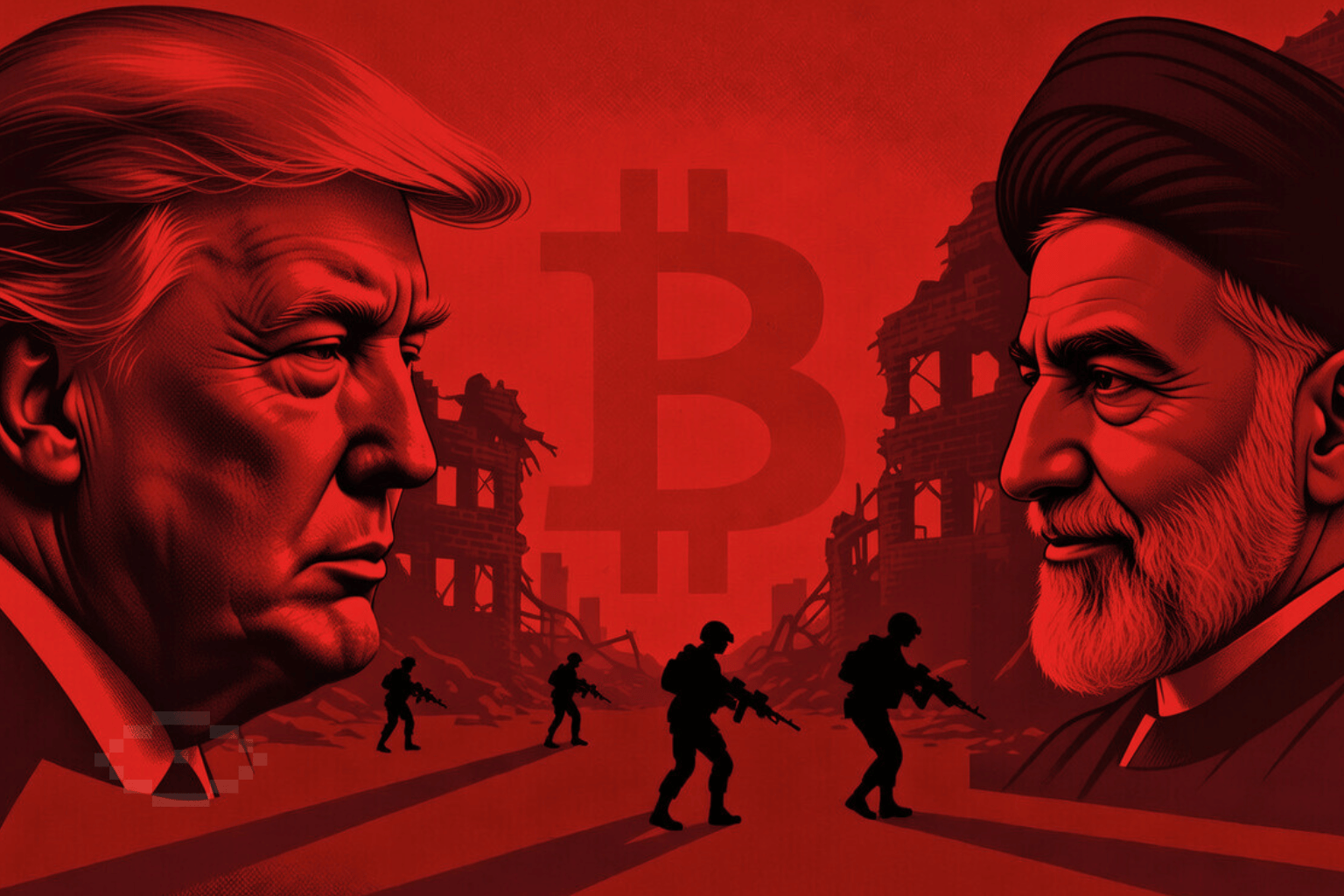
The war with Iran affects your portfolio through energy prices, inflation expectations, bond yields, and equity volatility. While geopolitical conflicts are tragic and unpredictable, financial markets respond immediately and often aggressively.
Understanding how the war with Iran affects your portfolio can help you avoid emotional decisions and instead respond with discipline.
Geopolitical Risk Is Real But Not New
In the weeks leading up to the conflict, rising political rhetoric and the buildup of forces hinted at deteriorating negotiations. Analysts warned that a breakdown in talks could escalate tensions, and that is precisely what has happened.
For investors, the key question is not whether war is bad, of course it is, but how markets are likely to price risk and opportunity in response.
Immediate Market Responses: Oil and Commodities
Oil Prices Are Sensitive to Middle East Disruption
The Strait of Hormuz is one of the world’s most important energy choke points. Around 20% of global oil and 20–25% of LNG shipments pass through it. Any threat to this route increases the risk of supply disruptions.
Here’s how different scenarios could affect oil:
- Limited conflict with no disruption: oil may stay in a near-term range
- Prolonged tension without blocking transit: oil could rise toward $90–$100 per barrel
- Major closure of the Strait of Hormuz: oil could spike above $108 per barrel or more
Already, concerns about supply risk pushed oil prices to multi-month highs prior to the escalation.
Gold: A Traditional Safe Haven
Gold tends to benefit when geopolitical uncertainty rises. If conflict persists or deepens:
- Investors often move into gold as a safe asset
- Gold could approach or exceed previous record levels
- Volatility in energy markets can spill into broader asset classes
However, buying on reaction after sharp moves can be risky. Price gaps tend to be filled later, and timing matters.
Bonds: A Mixed Response
In the initial phase of geopolitical stress, government bonds often rally because investors flee to safety.
- U.S. Treasuries and German Bunds may rise temporarily
- Riskier bonds or credit instruments may weaken due to uncertainty
But in the longer term, if oil prices remain elevated and inflation expectations rise, central banks may reconsider easing. That would push yields higher and bond prices lower.
So bonds could experience:
- Short-term safety rally
- Inflation-driven yield increases
Equities: Risk Assets vs. Corrections
Risk assets, including stocks and crypto, typically adjust to rising geopolitical risk:
- Equity markets often correct before rebounding
- Bitcoin, which trades even on weekends, already showed sensitivity by dipping before recovering
- Stocks may see a 10–15% correction if oil remains elevated or inflation concerns resurface
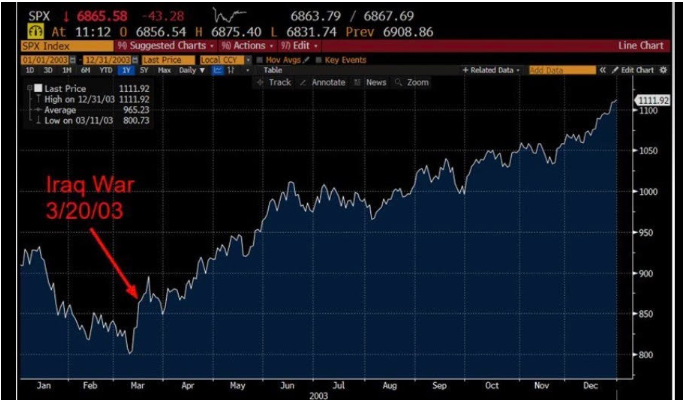
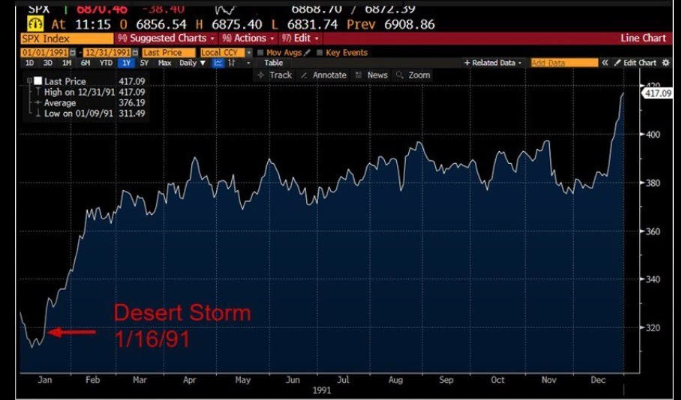
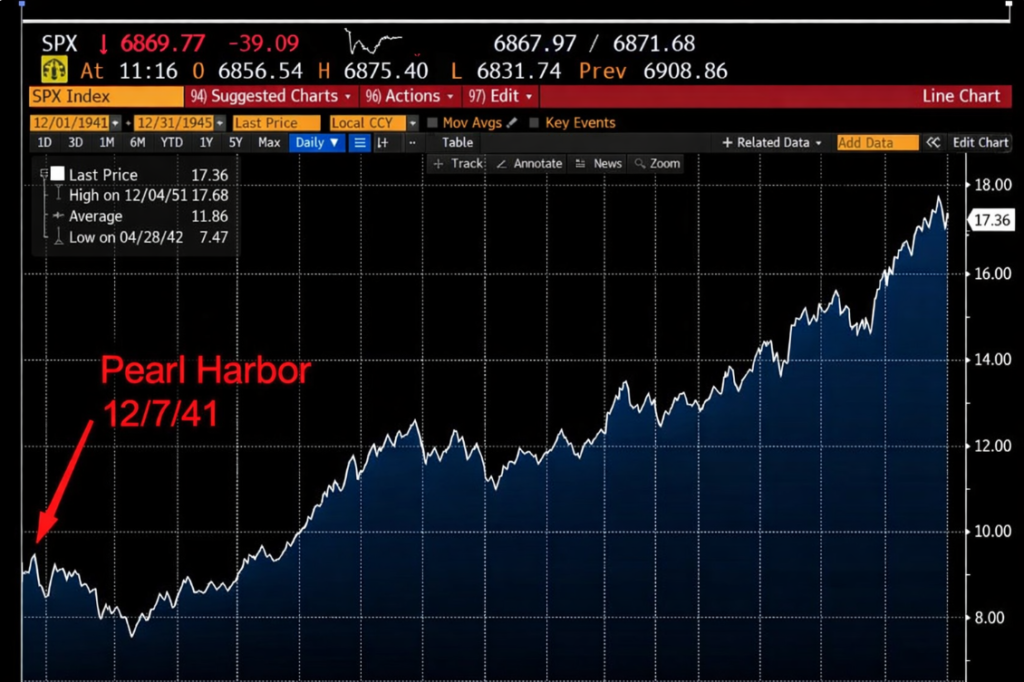
History suggests that corrections tied to geopolitical events often create buy-the-dip opportunities, especially when underlying economic growth remains intact.
Broader Economic Implications
A prolonged conflict could drive several macro trends:
- Energy price shock: higher inflation
- Pressure on central banks: delayed rate cuts or even rate hikes
- Supply chain disruptions: slower growth in trade-dependent regions
- Currency volatility: increased U.S. dollar weakness
These factors together can reshape both growth assets and defensive positions.
What Might Happen to Safe-Haven Assets
If the conflict intensifies:
- Gold could go higher
- Oil may surge
- Safe government bonds may rally first, then face inflation pressures
- Risk assets may experience drawdowns
However, if the conflict remains limited and short-lived, markets often rebound quickly.
What Investors Can Consider
1. Avoid Emotional Trading
Panic buying in oil or gold after a sharp gap can lead to poor entry points.
2. Look for Opportunity in Corrections
Risk assets often overshoot on the downside during panic and recover well before fundamentals change.
3. Hold Cash for Flexibility
Having liquidity allows you to buy attractive assets at better valuations.
4. Watch Structural Megatrends
AI infrastructure, energy transition projects, global defense spending, and technology adoption remain long-term drivers of growth.
Expected Scenarios
If the Conflict Is Short and Contained
- Oil may settle in the $90–$100 range
- Gold may remain elevated
- Equities could correct, then rebound
If the Conflict Escalates or Spreads
- Oil could exceed $110 per barrel
- Energy-driven inflation may rise
- Central banks may remain cautious
- Broad markets could experience deeper corrections
A Flexible, Balanced Mindset Matters Most
No one can predict geopolitical events with certainty. Still, history shows:
- Markets tend to price in risk faster than headlines
Corrections often present opportunities for patient investors - Diversification can protect long-term outcomes
Rather than reacting to fear or greed, consider aligning your financial decisions with your risk tolerance and long-term goals.
Which Instruments You Can Buy in a Correction
- iShares Core MSCI World UCITS ETF | SWDA (for EU citizens, BlackRock, World stock market index).
- iShares MSCI World ETF | URTH (BlackRock, World stock market index).
Where to Build Your Portfolio
You can position your portfolio through the following broker platforms:
REVOLUT:
Easiest option for retail investors. Simple interface, quick access to ETFs, stocks, and commodities.
Trading212:
User-friendly platform offering commission-free stock and ETF investing. Suitable for retail investors seeking straightforward access to global markets.
INTERACTIVE BROKERS: The most professional global trading platform
Most professional global trading platform. Broad asset access, including equities, bonds, futures, commodities, and advanced trading tools.
Disclaimer
This article is for informational purposes only and is not financial advice. Investing involves risk, including possible loss of capital. Please consult a qualified financial advisor before making investment decisions.