This post may contain affiliate links. If you make a purchase through these links, a commission may be earned at no additional cost to you. We only recommend products and services that have been personally tested and are believed to provide genuine value to our audience.
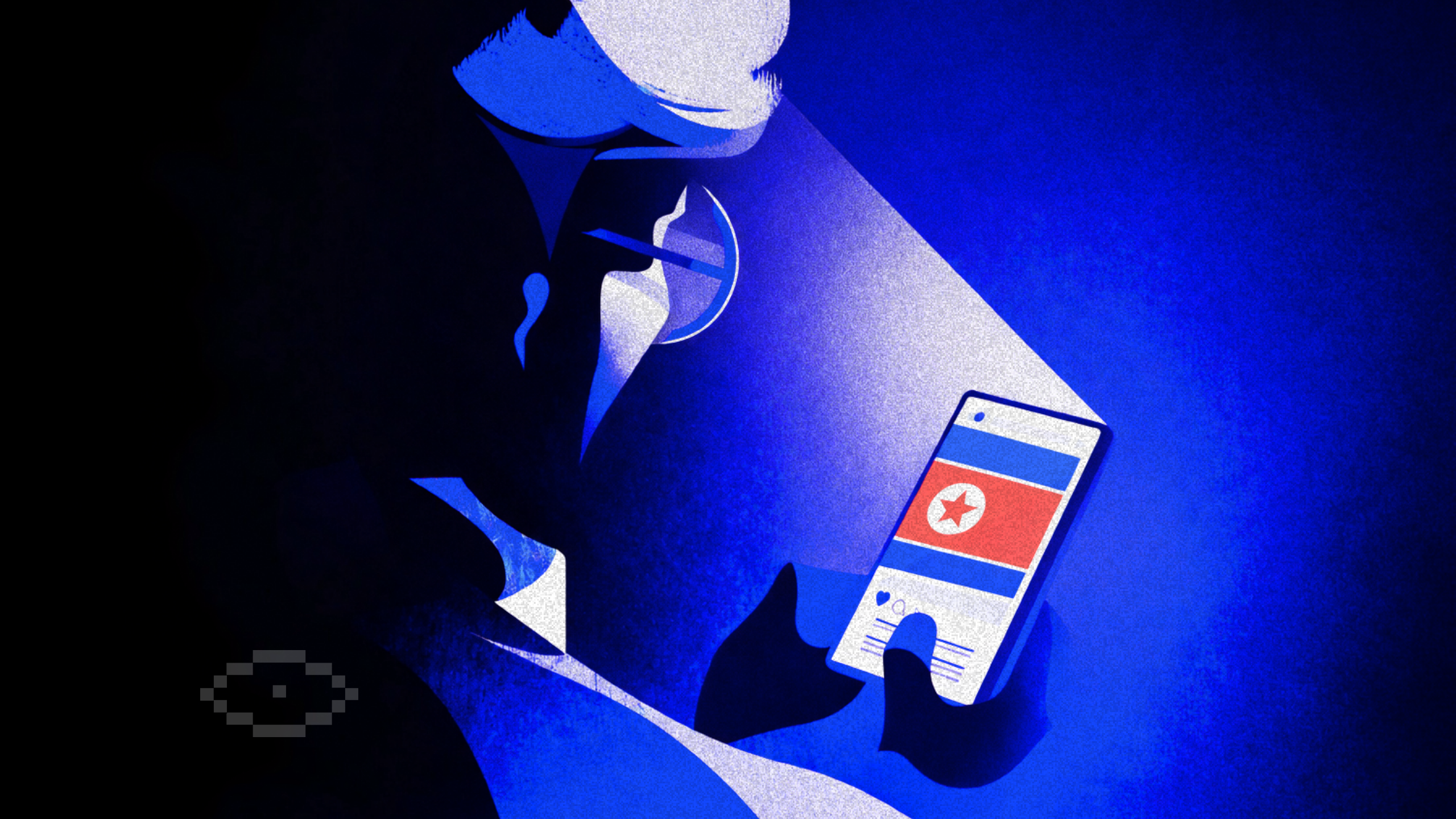
The Drift Protocol hack of 2026 is like nothing the decentralised finance world has seen before. On April 1, 2026, North Korean operatives linked to the state took $286 million from Drift Protocol, the biggest decentralised perpetual futures exchange on the Solana blockchain, in about twelve minutes. The money disappeared before most of the team finished their morning coffee. But the hack itself was only part of the story. The real events had been happening for six months: in conference hallways, Telegram chats, and shared code, all planned by a state intelligence group that never made a move until it was sure of winning.
This is not just a smart-contract flaw. It’s a story of a nation-state running a long con that the entire DeFi industry couldn’t detect and probably still can’t. If your platform, payment system, or treasury uses DeFi in any way, what follows is very important for you.
The Setup Behind the Drift Protocol Hack 2026: Six Months of Earned Trust
The first contact happened at a big cryptocurrency conference in autumn 2025. A group calling themselves a quantitative trading firm started talking to Drift’s team on Telegram. They asked smart, detailed questions about trading strategies and how the protocol worked. Their knowledge showed they were not scammers. They seemed like peers.
By December 2025, the group began setting up an Ecosystem Vault on Drift. This meant submitting documents and working closely with the team. Between December and January 2026, they put over $1 million of their own money into the protocol. Real money. Real risk. A sign of trust that would turn out to be a very good investment in access.
In February and March, the relationship grew stronger. Drift contributors met the group face-to-face at several major industry events in different countries. They regularly shared links, files, and project resources. By late March, Drift’s own review said: “These were not strangers. They were people Drift contributors had worked with and met in person.”
This is the part that should alarm every fintech and DeFi operator. The breach did not happen through malware in a phishing email. It happened because trusted people, who had attended the same conferences and worked together for six months, were allowed in through the front door.
The Attribution: Who Is DPRK UNC4736?
Forensic investigators from SEAL 911 and Mandiant attributed the attack to UNC4736, a North Korean state-affiliated threat group also known as AppleJeus and Citrine Sleet. The group operates under the broader umbrella of the DPRK’s cyber-warfare apparatus, which the U.S. government has linked directly to funding Pyongyang’s weapons programs.
On-chain fund flows connect this operation directly to the October 2024 Radiant Capital hack, establishing a documented through-line of targets and tactics. TRM Labs also noted the operation’s timing: the CarbonVote token used in staging was deployed at 09:30 Pyongyang Standard Time, consistent with the operational tempo of prior DPRK-attributed campaigns.
Critically, the individuals who appeared at conferences were not North Korean nationals. Elliptic’s analysis confirms that at the level UNC4736 operates, the group deploys third-party intermediaries carrying fully constructed identities complete employment histories, verifiable credentials, and professional networks built to survive due diligence. The people Drift’s team shook hands with were proxies for an intelligence agency. That distinction matters enormously for any operator thinking about what “know your counterparty” actually means in practice today.
If confirmed as DPRK-linked, the Drift exploit will be the 18th attributed North Korea crypto theft of 2026, pushing year-to-date losses beyond $300 million. North Korean hackers stole a record $2.02 billion in 2025 alone a 51% year-over-year increase driven largely by the $1.5 billion Bybit breach. Total attributed DPRK crypto theft now exceeds $6.5 billion.
Three Attack Vectors That Made the Drift Protocol Hack 2026 Possible
Once trust was established, the operational phase required only three vectors to execute. None of them were exotic. All were avoidable.
1. The Malicious TestFlight Application
The group presented what appeared to be a legitimate wallet product to Drift contributors and encouraged them to download it via TestFlight, Apple’s platform for distributing pre-release applications that bypasses the App Store’s standard security review process. Once installed, the application gave attackers persistent access to the affected device. TestFlight was designed for beta testing convenience; here, it functioned as a delivery mechanism for malicious code operating entirely outside Apple’s screening.
2. The Silent VSCode / Cursor Code Execution Flaw
The second vector exploited a known vulnerability in VSCode and Cursor, two of the most widely used code editors in modern software development. Security researchers had been flagging this flaw since late 2025: opening a file or repository in either editor could trigger the silent execution of arbitrary code with no warning, no prompt, and no visible indicator to the user. The flaw remained unpatched from December 2025 through at least February 2026, the exact window during which the group was sharing files, links, and “project resources” with Drift contributors as a routine part of their working relationship.
Every file shared during those months was a potential attack surface. Every collaborative working session was a delivery opportunity. The social engineering and the technical exploit were not separate phases; they were the same operation running in parallel.
3. Durable Nonce Pre-Signed Transactions
With device access secured, the attackers leveraged a legitimate feature of the Solana blockchain, durable nonces, to pre-sign administrative transactions that appeared routine, holding them as live authorisation keys until the moment of execution. When April 1 arrived, the attackers did not need to breach anything in real time. The multisig approvals had already been quietly obtained through the compromised devices of legitimate signers. The vaults were drained in approximately twelve minutes. Drift’s total value locked collapsed from roughly $550 million to under $250 million by the time the team suspended deposits and withdrawals.
The DeFi Multisig Vulnerability Nobody Wants to Admit
The Drift exploit reveals a fundamental weakness in the governance model of most major DeFi protocols: multisig security is only as strong as the devices and people behind the signers.
Multisig, which requires multiple independent parties to approve a transaction, is widely regarded as the gold standard of DeFi security. In a threat model where the attacker is an anonymous on-chain actor, it provides meaningful protection. However, UNC4736 did not attempt to break the multisig itself. Instead, they compromised the humans holding the keys. Once two or more signers’ devices were silently infiltrated through the VSCode vulnerability or the TestFlight application, the multisig model did not fail; it performed exactly as designed, approving transactions authorised by the legitimate keyholders whose devices were under adversarial control.
Drift’s team summarised it clearly in their post-mortem: the attack raises an uncomfortable question about what security model the industry can rely on when nation-state actors are willing to spend six months and a million dollars building a legitimate presence inside an ecosystem before striking. Currently, the answer is that the industry lacks a reliable one.
The contagion spread to more than 20 protocols connected to Drift’s ecosystem. Carrot Protocol paused mint and redeem functions after half its TVL was affected. Pyra Protocol disabled withdrawals entirely. Prime Numbers Fi reported multi-million dollar losses. The ripple effects of a single infiltration operation continue to spread days after the initial exploit.
What the Drift Protocol Hack 2026 Demands From the Crypto Industry
Drift’s team has clearly asked other protocols to check their multisig access controls and see every device linked to a multisig signer as a possible risk. This is a good first step but not enough by itself. Here’s what a strong organizational response should include:
- Patch your editors immediately: The VSCode/Cursor silent code execution vulnerability was publicly disclosed by late 2023. Any organisation with engineers still using unpatched versions of these editors is exposing itself to serious risk. This applies to every company in fintech and DeFi, not just protocol teams.
- End TestFlight as an enterprise tool: TestFlight skips App Store review, so it is not safe for devices that access admin keys, financial systems, or sensitive data. Enterprise device rules should ban it completely.
- Extend due diligence to operational relationships, not just counterparties: Standard vendor due diligence focuses on established entities. UNC4736 built an entity from scratch over six months. Any new professional relationship especially one involving file sharing, joint development, or access to shared systems should be evaluated through a threat lens, not just a commercial one.
- Treat hardware isolation as a baseline, not a premium: Multisig signers should operate from air-gapped or hardware-isolated signing environments that cannot be reached by code executing in an editor or a side loaded application. This is not novel security advice; it is operational hygiene that the urgency of product development has crowded out.
- Build detection into your governance process. If a multisig approval is being obtained through a session that originated on a compromised device, behavioral monitoring at the signing layer unusual timing, unfamiliar network context, anomalous transaction patterns is the last line of defense before funds move. Most protocols have none of this instrumented.
The B2B Fintech Takeaway From the Drift Protocol Hack 2026
If your platform, payment system, or treasury deals with DeFi protocols as a partner, liquidity provider, yield source, or settlement layer, the Drift hack is a real risk, not just a story.
You don’t have to be a DeFi-native protocol to be affected when one fails. Over 20 protocols hit by Drift’s fallout weren’t all targeted directly. They suffered because of a broken trust link.
Every B2B fintech should ask: if one of our DeFi partners was secretly hacked six months ago, would we know? If you’re not sure and most aren’t the Drift hack shows why you need an urgent vendor security check.
North Korea’s hacking methods have been used in at least 18 attacks in 2026 alone. They are patient, well-funded, and use fake identities that pass checks. The best defense is to build stronger processes that are hard to trick, and do it before six months pass.